Photograph: Caleb Oquendo on Pexels
Fix what an inspector, insurer or lawyer will stop on: alarms, open electrical permits, buried oil tanks. GTA homes sold at 97% of asking in July 2026.
The fixes worth making before you list are the ones somebody other than the buyer checks. Working alarms, closed electrical files, and no fuel tank buried in the yard. Each of those is written down by an inspector, asked for by a lawyer, or refused by an insurer, and each comes back as a price reduction or a delayed closing if you leave it.
Almost everything else is a renovation. A renovation you will not be living in is money spent solving the next owner's problem, and it is the item most likely to still be unfinished on the day the photographer arrives.
What should you fix before you list?
Anything that is a legal requirement, and anything that has an open file attached to it.
Those two categories share something the rest of your house does not. They are verified by a third party. Taste is negotiable and a scuffed wall is a matter of opinion, but a missing alarm, a permit that was never closed and a tank that was never removed are all facts, and the other side finds them after you have accepted an offer. That is the worst possible moment, because the price is already set and the only direction left is down.
The three items below cost a few hundred dollars each to put right in advance. Two of them can cost thousands at closing.
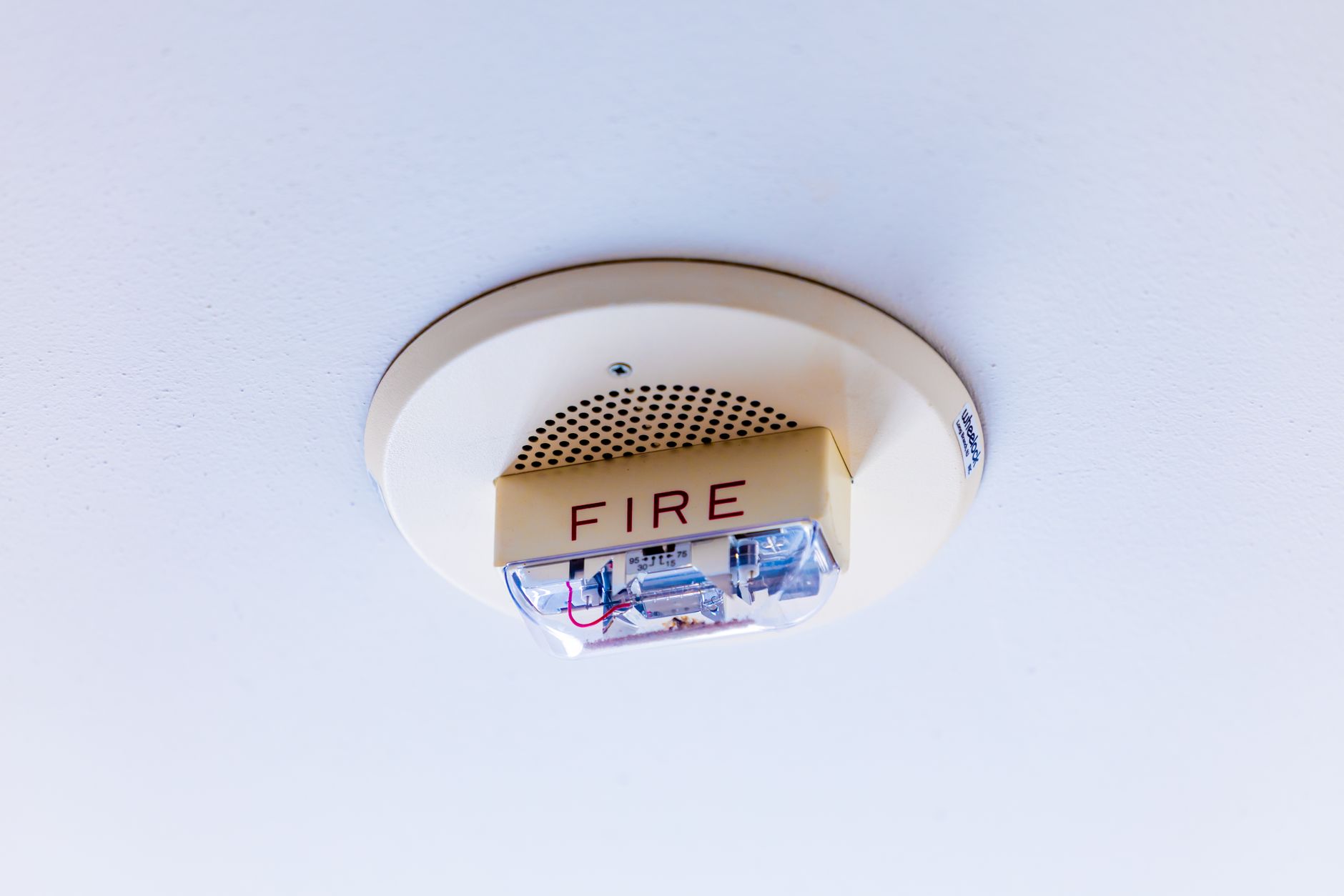
Are your smoke and carbon monoxide alarms actually legal?
The smoke alarm rule has not changed. The carbon monoxide rule changed on 1 January 2026, and that is the one most homes now fail.
On smoke alarms the province is direct. "By law, every home in Ontario must have a working smoke alarm on every storey and outside all sleeping areas." The penalty is not theoretical either: "Failure to comply with the Fire Code smoke alarm requirements can result in a $360 ticket or fine of up to $50,000 for individuals or $100,000 for corporations," according to Ontario's fire safety at home page.
Carbon monoxide alarms are required in a house that has a fuel burning appliance, a fireplace or an attached garage. From 1 January 2026 the requirement also reaches a home heated by air from a fuel burning appliance that is not contained within the home itself.
The placement rule widened on the same date. A carbon monoxide alarm goes next to each sleeping area, and now also "on every storey of your home, including storeys that do not have sleeping areas", per the province's carbon monoxide safety page.
Read that second half again, because it is the sentence people miss. A three storey semi with a gas furnace used to need one alarm outside the bedrooms. It now needs one on each floor as well. This is an afternoon of work and under two hundred dollars, and it is the cheapest item on any pre listing list.
Do you have an open electrical file on your house?
If a contractor did work and never closed the file with the Electrical Safety Authority, you probably do, and it does not disappear at closing. It moves to your buyer.
Ontario requires almost all electrical work to be reported to the ESA through a notification of work, filed before the work starts. That notification creates a permanent record of what was done and triggers a review, and when the work passes, the ESA issues a Certificate of Acceptance.
That certificate is what a buyer's lawyer or insurer asks for. The ESA's guidance for real estate professionals says the certificate may be requested by an insurance company and may be needed for resale, and warns that "Insurers may deny claims tied to unlicensed electrical work". The same guidance notes that an open notification transfers responsibility to the new homeowner, and suggests a clause making the sale conditional on the ESA confirming that notifications were taken out and closed.
So expect the question. An agent who has read that guidance will ask for the certificate on any house with a finished basement, a new panel or a recent kitchen. Finding the paperwork now costs you an afternoon. Finding it during a conditional period costs you leverage.
Is there a fuel oil tank buried in the yard?
If the house was ever heated with oil, check before you list. This is the one item here that can cost more than every other fix combined.
The Technical Standards and Safety Authority is unambiguous. "Ontario regulations require you to remove an unused underground storage tank." Only a TSSA registered petroleum contractor may carry out the removal, and an Environmental Assessment Report has to be submitted when a tank is removed or a site is closed. Where removal is not feasible, TSSA may grant a variance allowing a tank to be abandoned in place, which also needs that report.
The line that matters to a seller is the one about money. "Owners of underground tanks are responsible for the costs of maintaining, upgrading, and removing their underground tanks and for cleaning up contamination," TSSA states. Contamination cleanup has no ceiling on it, and it does not transfer to the buyer.
What is a waste of money before you list?
Anything that needs a permit and an inspection, started late.
The problem is not the work. It is the calendar. A building permit is reviewed on the city's schedule and an electrical notification is closed on the ESA's, and neither of them is aware of your listing date. A renovation started six weeks out usually reaches the market either unfinished or with an open file on it, and both of those are worse than the tired kitchen you began with.
There is a tax side to it as well. A permitted renovation is reported to the assessment authority, which can issue a change notice and a supplementary tax bill reaching back two years. On a home you are about to hand over, that is a bill for improvements the next owner gets to enjoy. We set out how that works, and which work actually holds its value, in our guide to the renovations that add value to a Toronto home.
If a renovation is genuinely worth doing, it is worth doing while you still live there.
What does a slower market change about any of this?
It changes who has time to look properly, and that is the whole reason this list is short and specific rather than cosmetic.
In July 2026 the GTA recorded 5,995 sales against 14,484 new listings, a sales to new listings ratio of 41 per cent. The average selling price was $1,003,956, down 4.5 per cent from a year earlier, and homes sold at 97 per cent of the asking price after 32 days on the market, according to TRREB's Market Watch.
A buyer with one weekend and three rival offers waives the inspection. A buyer with a month of choice books one, and then reads the report. The defects on this page are the ones that report finds. Inspection time and conditions being normal again is exactly why the alarms, the electrical file and the tank deserve more of your attention than the paint does.
None of that says where prices go next. It says what a buyer currently has the time to do.
What order should you do it in?
- Alarms first. Same day, and it is the only item here with a ticket attached to it.
- Ask the ESA whether any notifications on your address are still open, before the photographs are booked.
- If the house was ever heated with oil, establish what happened to the tank.
- Gather the paper. Permits, the Certificate of Acceptance, the survey, appliance and roof warranties, and anything showing when a system was replaced.
- Then clean, and then price.
What all of it buys you is a conditional period nobody reopens. To see what a sale actually leaves you once the costs come off, our net proceeds calculator does the arithmetic, and our selling page sets out how we run a listing. For what the law requires you to tell a buyer, we wrote separately on property disclosure in Ontario.
Sources
Get it before it is news
A short note when we publish something worth your time about the Toronto and GTA market. No more than that.