Photograph: David Guerrero on Pexels
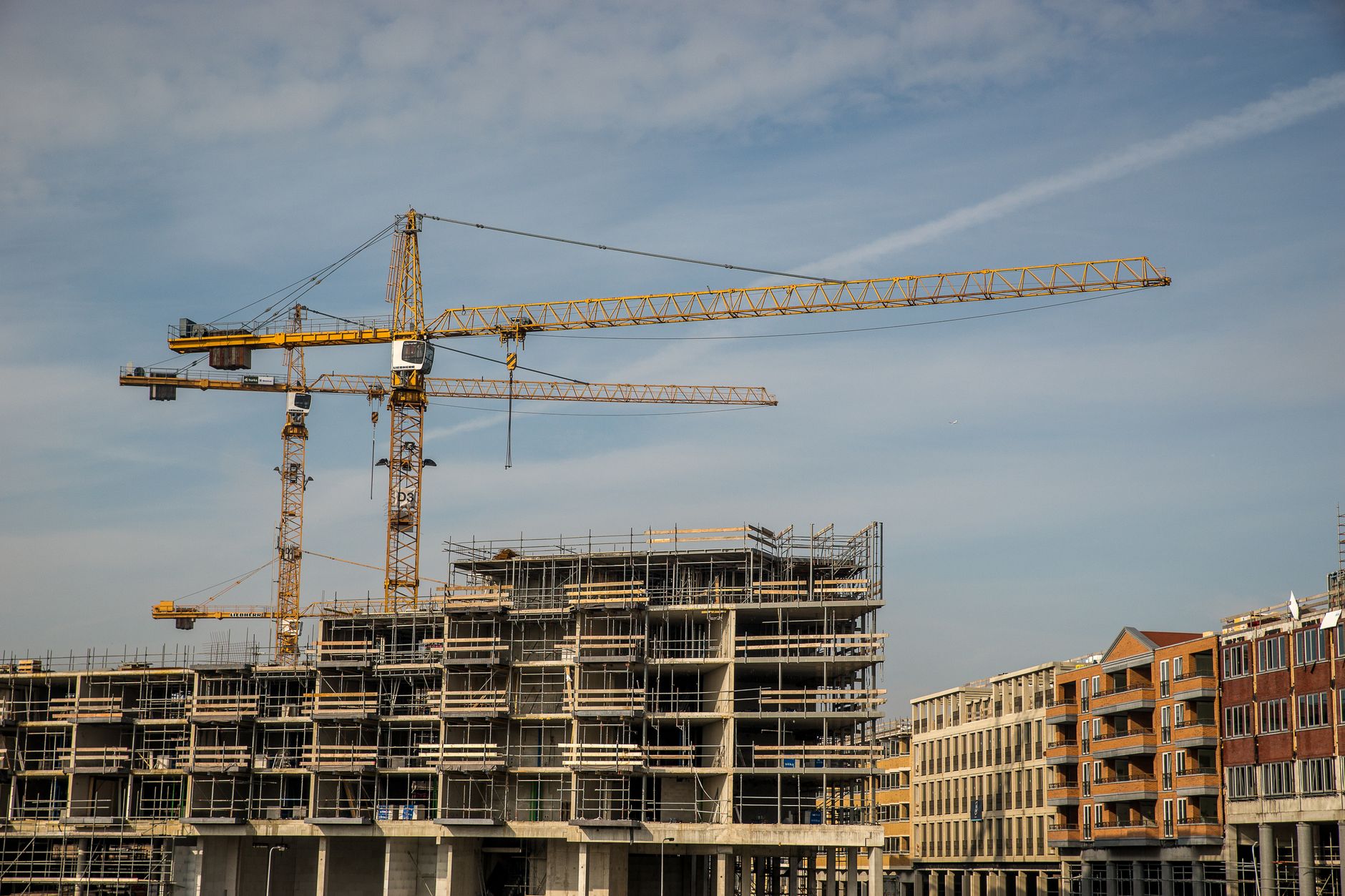
Canada's financial regulator cut the risk weight on low-rise multi-unit construction from 150% to 130%, effective 1 January 2027. Towers stay at 150%.
The base risk weight on low-rise multi-unit residential construction drops from 150 per cent to 130 per cent on 1 January 2027. High-rise stays at 150. That split is new, and it matters if you own a lot in Toronto and have been pricing out a small rental build.
What exactly changed?
OSFI, the federal regulator for banks and insurers, published the final Mortgage Insurer Capital Adequacy Test for 2027 on 10 September 2026. It creates a separate category for low-rise multi-unit residential construction and cuts its base risk weight "from 150% to 130%".
OSFI defines the category plainly: "A low-rise project comprises fewer than 7 stories and 200 units." Above that scale a project is high-rise, and high-rise residential exposures "remain at 150%". The guideline takes effect on 1 January 2027 and applies to the mortgage insurers OSFI regulates.
The stated reason is risk rather than housing policy. The change "reflects a lower risk profile and introduces greater risk-sensitivity", and OSFI frames it as stopping "large-scale residential construction projects from receiving preferential capital treatment that is not commensurate with their risk profile".
What is a risk weight, and how does it reach a building?
A risk weight sets how much capital a regulated insurer has to hold behind an exposure. A lower weight means less capital tied up per dollar of the same business.
That is the whole of the published change: a capital requirement moved, on a date. What nobody has published is what insurers and their lenders do with the room. No premium, no loan rate and no approval standard changes on 1 January because of this guideline, and anyone telling you small-building financing gets cheaper on a given day is guessing.
Does this change the mortgage on my own house?
No. This guideline governs the capital mortgage insurers hold, not the test you qualify under.
OSFI published five documents on 10 September: the bank capital adequacy guideline, the mortgage insurer test, a final Guideline B-12 on interest rate risk, a draft loss-absorbing capacity guideline and an insurance reporting update. None of them touches the mortgage stress test, the minimum qualifying rate or insured mortgage rules. If you are buying or renewing this autumn, nothing here reaches your file.
Does anything else in the release reach construction?
Yes. The final Capital Adequacy Requirements Guideline for 2027, published the same day, is the banks' version.
OSFI lists the revised areas as "small and medium-sized enterprise lending, land acquisition, development and construction financing, securitization, and market risk", and says the changes are expected to support increased lending in those areas while reducing regulatory burden. It takes effect "November 1, 2026, for institutions with a fiscal year ending October 31" and "on January 1, 2027, for institutions with a fiscal year ending December 31".
So both ends of the financing chain for a small residential project, the bank lending and the insurance sitting behind it, were revised on the same day in the same direction.
Why does low-rise matter in the GTA?
Because fewer than seven storeys and 200 units is the shape of most of what Toronto has opened up on ordinary residential land.
The fourplex, the stacked town and the small purpose-built rental all sit inside that definition. The downtown tower does not. If you have been working through what you can actually build on your lot, this is the financing side of that question, and it is the first capital rule written to treat a small project differently from a forty-storey one.
It lands against a thinner pipeline: Toronto-area housing starts fell sharply in the latest CMHC figures. Whether a twenty point move in a risk weight turns into buildings is not something the guideline answers.
What should you do about it now?
Nothing urgent. The date is 1 January 2027, and the effect runs through lenders and insurers rather than through any form you sign.
If a small multi-unit project is on your list for next year, ask your lender how they are treating low-rise multi-unit exposures under the 2027 rules once you reach term sheets. If you are buying or selling a house or a condominium, this is background, and our buying pages are the more useful place to start.
Sources
Get it before it is news
A short note when we publish something worth your time about the Toronto and GTA market. No more than that.