Photograph: Mike van Schoonderwalt on Pexels
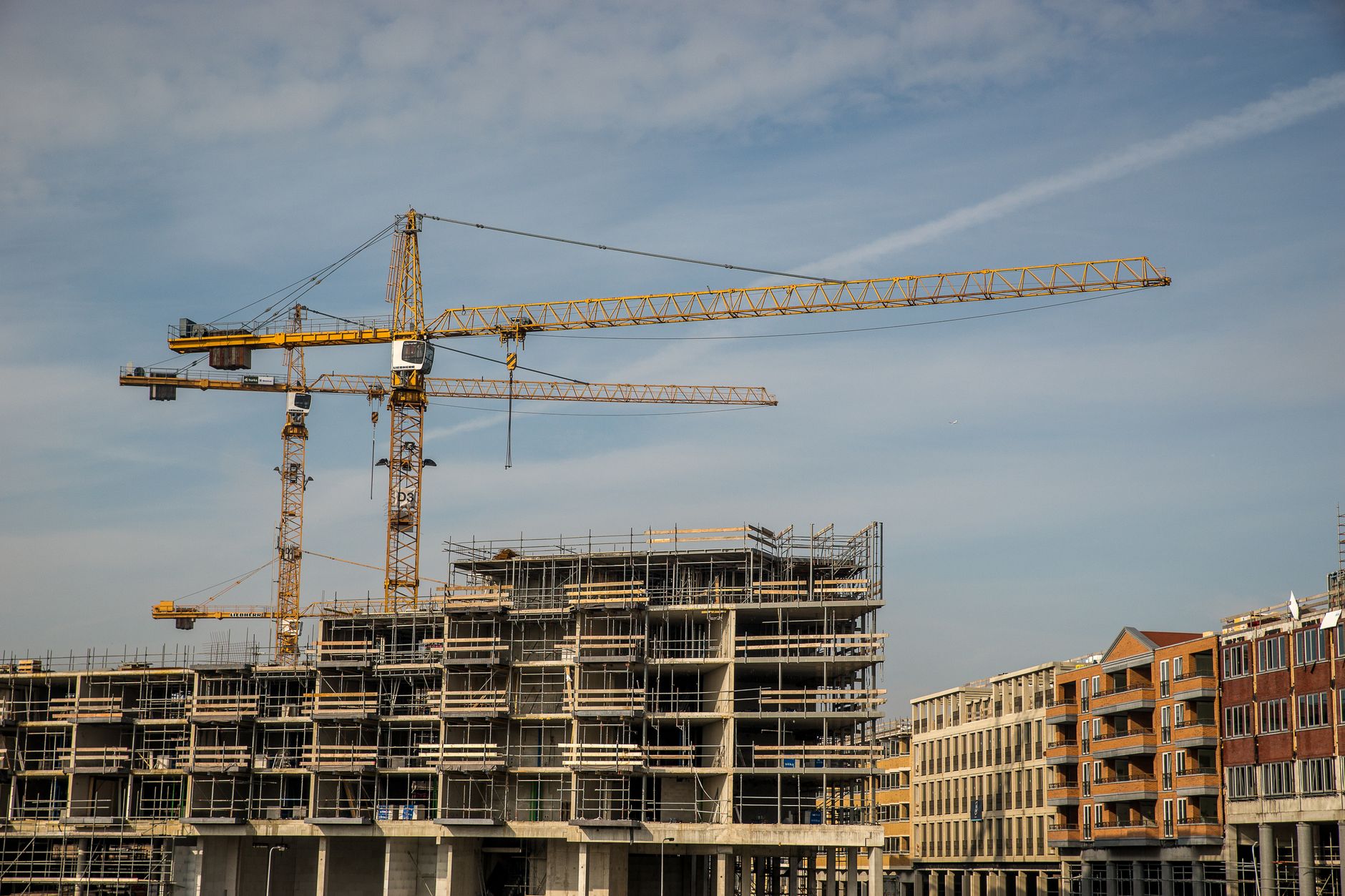
Toronto area housing starts fell 31% in 2025, to 26,087 homes. That shapes the new supply arriving years from now, not the homes you can buy today.
Ontario counted 86,760 new homes toward a target of 150,000 in 2025, about 58 per cent of the goal, according to internal briefing notes obtained by Global News under freedom of information laws. The province's own housing supply tracker still stops at 2024.
That is a number about the future rather than about this week. Here is what it does and does not change if you are buying, selling or holding a home in the Toronto area.
How much did construction here actually slow?
By close to a third in a single year. Canada Mortgage and Housing Corporation recorded 26,087 housing starts in the Toronto area in 2025, down 31 per cent from 37,718 in 2024. Ontario as a whole recorded 62,561 starts in centres of 10,000 people or more, down 13 per cent. Nationally starts rose 5.6 per cent to 259,028, so the slowdown is ours and not the country's.
2026 has gone the same way. In CMHC's July 2026 figures, published on 18 August, Toronto starts were 10 per cent below July 2025, and national starts for the first seven months came in at 131,851 against 137,546 a year earlier. CMHC deputy chief economist Tania Bourassa-Ochoa said fewer new projects are being started in many markets, "notably in Vancouver, Calgary and Toronto".
Does this change what you can buy right now?
No. A housing start is a shovel in the ground, not a home you can move into, and the homes closing this autumn were started years ago. Nothing in the 2025 count removes a listing from the market today or adds one.
What it sets is the size of the pipeline later. Fewer starts in 2025 and 2026 means fewer completed homes arriving in the years those projects would have finished. If you are buying in the next few months, this is background. If you are buying in 2029, it is the supply you will be choosing from.
What should you check if you are buying preconstruction?
The occupancy terms, before you sign. The risk you carry on a preconstruction purchase is timing: the outside occupancy date, the builder's right to push it back, and the conditions under which a project can be cancelled are all written into the agreement of purchase and sale and the disclosure statement. Have your lawyer read those clauses with you rather than after the fact.
Our guide on what the Tarion warranty covers on a new build sets out the protections that come with a new home in Ontario, including delayed closing.
What if you already own?
Nothing to do. A thinner pipeline means less brand new supply competing with your home in the years ahead, which matters when you sell and not this month. Your price this season is set by what is listed against you now.
If a move is on your mind, our affordability calculator and net proceeds calculator will tell you more about your own position than any provincial supply figure will.
Why is the province's number bigger than CMHC's?
Because the two count different things. Ontario's tracker counts housing starts plus basement apartments and laneway suites, long term care beds, licensed retirement home suites and postsecondary student beds. CMHC counts housing starts. In 2024, the last year the province has published, it reported 94,908 homes against a target of 125,000, of which 73,617 were housing starts.
Global News reported that 13 of roughly 50 municipalities with provincial targets met them in 2025, with Toronto and Markham at 49 per cent, Vaughan at 26 per cent and Mississauga at 24 per cent. If you are watching one of those municipalities for a new build, that is the pace at which it is adding homes.
Sources
Get it before it is news
A short note when we publish something worth your time about the Toronto and GTA market. No more than that.