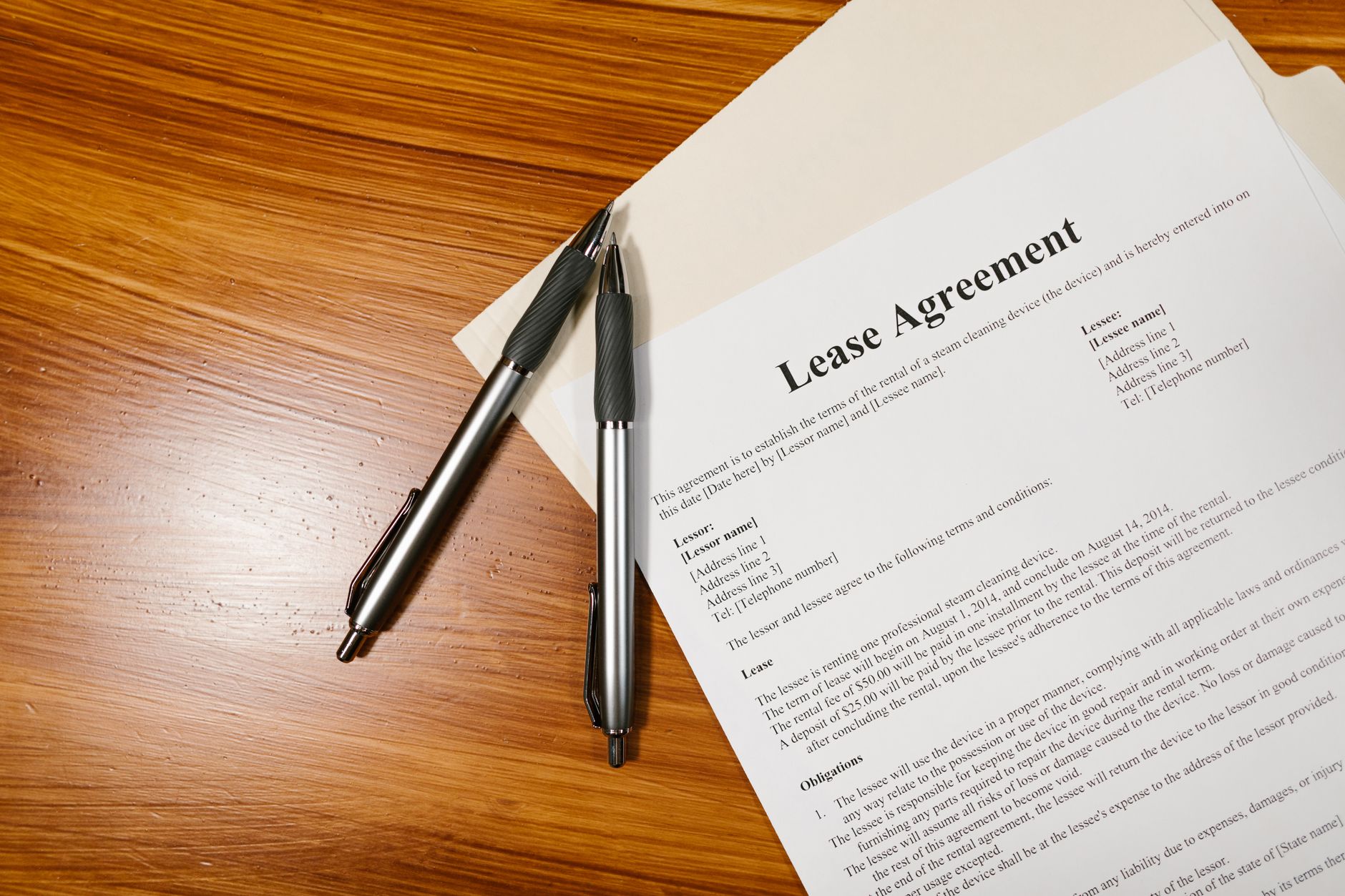
Photograph: Yogendra Singh on Pexels
An assignment sale sells the contract, not the home. Since May 7, 2022 all are taxable for GST/HST, and profit inside 365 days is business income.
An assignment sale is the sale of a contract, not the sale of a home. The original buyer of a pre construction condominium sells their right to close on the unit before the building is finished. Whoever takes it over closes with the builder later, at the price written in the original agreement, and pays the original buyer for the contract itself on top of that.
Nothing is registered at the land registry on the day an assignment is signed. What changes hands is paperwork. Three rules then decide whether the numbers work, and all three are set by the Canada Revenue Agency or the Province rather than by the builder or the agent.
Do you need the builder's permission to assign?
Usually yes, and the agreement decides. The Canada Revenue Agency puts it this way: "The assignment of a purchase and sale agreement for a new house may be subject to the approval of the builder with whom the first purchaser originally entered into the agreement to construct and sell the new house."
Most pre construction agreements either forbid assignment outright or allow it on the builder's terms, which in practice means written consent and a fee. The fee is real money and it is taxed. CRA again: "The fee charged by the builder in such circumstances is generally subject to the GST/HST."
Read that clause before you count on an exit. A contract you cannot assign is a contract you have to close on.
Do you pay HST on an assignment sale?
Yes, on every one. Effective May 7, 2022, "all assignment sales in respect of newly constructed or substantially renovated residential housing are taxable for GST/HST purposes." In Ontario the GST/HST rate is 13%.
That is recent enough that plenty of people are still working from the old position. Before that date, an individual who had signed a contract intending to live in the unit could often assign it with no GST/HST at all. That argument is gone.
The tax is charged on what the assignee pays for the contract, and there is one carve out worth real money. CRA Notice 323 excludes from the taxable amount any part of the price that is "attributable to the reimbursement of a deposit", where the assignment agreement says so in writing. Deposits on a pre construction condominium here commonly run into six figures. If the paperwork does not separate the deposit from the profit, 13% is charged on the whole amount.
The assignor collects and remits it. In CRA's words, "The assignor in respect of a taxable assignment sale would generally continue to be responsible for collecting the GST/HST and remitting the tax."
Is the profit a capital gain or business income?
Business income, in almost every case, and this is the most expensive misunderstanding in this corner of the market.
CRA's guidance for the real estate sector states it directly: "You must report any profit from an assignment sale as business income in the tax year in which you assigned your rights."
The residential property flipping rule removes what is left of the argument. A flipped property "generally means a housing unit, or a right to acquire a housing unit ... held by the taxpayer for less than 365 consecutive days prior to the disposition". A right to acquire is exactly what a pre construction contract is. Where the rule applies, "profits on the sale of a flipped property cannot be treated as a capital gain and the principal residence exemption is not available", and a loss on the deal is deemed to be nil.
Business income is fully included in your income. A capital gain is not. The label is not a technicality, it is the size of the bill. CRA does list life events that switch the deeming rule off, among them death, a marriage or partnership breakdown, serious illness or disability, an eligible relocation for work or study, involuntary loss of employment, and insolvency.
If you are weighing this against holding a second property, the treatment there works differently and we set it out in how capital gains tax is calculated on a second property.
What is land transfer tax charged on?
On the whole arrangement, including the premium paid for the contract. Land transfer tax is paid "when you acquire land or a beneficial interest in land", when the transaction closes, so it falls on the assignee at final closing rather than on the assignor at the assignment.
The Ontario Ministry of Finance is specific about what goes into the calculation on an assigned agreement. The value of the consideration "includes: the consideration for the assignment, the purchase price in the agreement assigned, and the value of extras, upgrades, installations, etc."
That is where budgets break. A buyer who works out land transfer tax from the price on a contract signed years ago, and forgets both the premium paid to the assignor and the upgrades chosen back then, is short on closing day. Inside the City of Toronto there are two of these taxes, one provincial and one municipal. Run the real number through our land transfer tax calculator, and see how much the Toronto tax is and who pays it.
What protects the deposit while the building goes up?
Tarion, up to a limit, and the limit depends on what was bought. Deposit protection on a condominium unit is "up to $20,000". Condominium deposits also have to be held in trust under the Condominium Act, and Tarion says that if your builder terminates the agreement "your deposit must be returned to you in full within 10 days".
Freehold homes sit on a different scale. For agreements signed on or after January 1, 2018, protection is up to $60,000 where the purchase price is $600,000 or less, and 10% of the purchase price to a maximum of $100,000 above that. Agreements signed before that date are protected to $40,000.
This matters on an assignment because the deposit sitting with the builder is usually money the assignee has just reimbursed. It is the largest pile of cash in the deal and it is not in your account.
What to check before signing, on either side
- The assignment clause. Whether consent is required, what the builder charges, and whether the unit may be marketed publicly at all.
- Whether the deposit reimbursement is written out separately from the assignor's profit, for the HST reason above.
- Who is claiming the new housing rebate at final closing and on what basis. We cover it in the HST rebate on a new build in Ontario.
- The occupancy period. Who pays occupancy fees between move in and registration, and at what rate.
- Financing. The assignee qualifies at final closing, on the lender's rules and the appraisal of that day, not on the numbers in the original agreement.
An assignment can be a sensible transaction for both sides. It goes wrong when it is treated as a quick resale, because it is not one. It is the purchase of a contract with a tax bill at each end, and both bills are set by rules that are written down and can be checked before anybody signs.
Sources
Get it before it is news
A short note when we publish something worth your time about the Toronto and GTA market. No more than that.