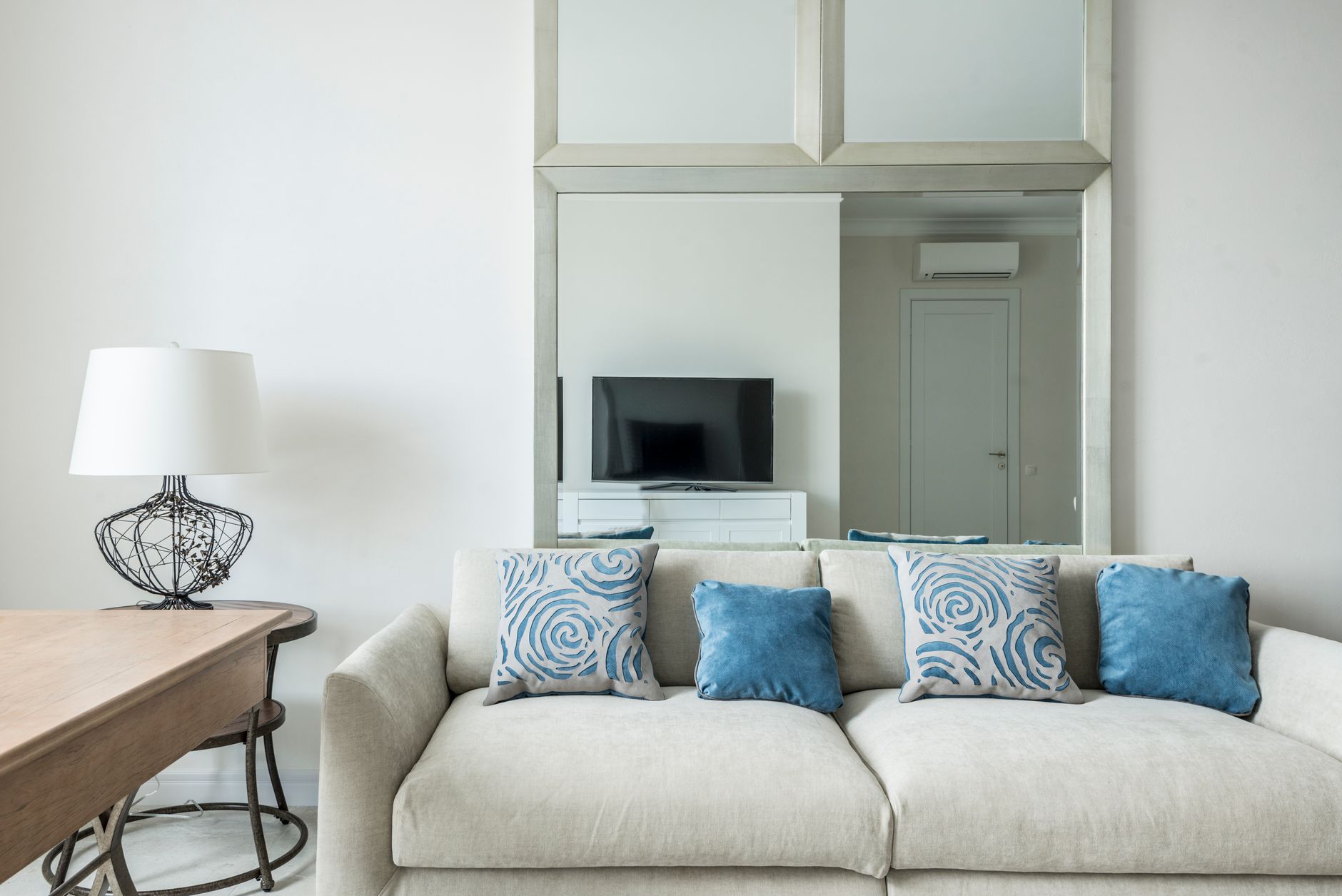
Photograph: Max Vakhtbovych on Pexels
Thirty per cent of agents surveyed said staging made no difference to price. Half reported a faster sale. GTA homes took 32 days to sell in July 2026.
Staging is sold to sellers as a way to get more money. The largest published survey of agents on the question does not show that clearly. It shows something else instead, and in a market where homes are taking weeks rather than days to sell, the something else may be worth more.
Does staging raise the price a buyer offers?
For most of the agents surveyed, it did not.
The National Association of Realtors asked its members in February 2025 what staging did to the dollar value offered on their sellers' homes. The full distribution is published in its 2025 Profile of Home Staging:
- 30 per cent said staging had no impact on the dollar value offered
- 34 per cent were not sure
- 19 per cent reported an increase of 1 to 5 per cent
- 10 per cent reported an increase of 6 to 10 per cent
- 5 per cent reported an increase of 11 to 15 per cent
- 1 per cent reported 16 to 20 per cent, and 1 per cent more than 20 per cent
- 1 per cent said staging had a negative effect on the value offered
Add every increase together and 36 per cent of agents reported staging lifting the price at all. The single most common answer was that they did not know.
Two things about that survey matter before anybody quotes it. It records what agents believed rather than a measured comparison, because nobody can sell the same house twice. And the respondents are American. The association surveyed a random sample of 49,806 members, received 1,266 usable responses, and reports a margin of error of plus or minus 2.75 per cent at 95 per cent confidence. It is the most detailed measurement available on the subject and it is still opinion.
Does staging make a home sell faster?
Here the same survey is far less ambivalent.
Asked what staging did to time on market, 30 per cent of sellers' agents reported a slight decrease and 19 per cent reported a large one. That is 49 per cent reporting a faster sale, against 17 per cent who saw no effect and 13 per cent who saw the home take longer. The remaining 21 per cent did not know.
So the survey that struggles to find a price effect finds a timing effect about half the time, from the same people answering the same questionnaire. If you are deciding whether to spend the money, speed is what the evidence says you are buying.
What is a faster sale worth in a slower market?
Roughly whatever a month of owning the home costs you.
In July 2026 the Toronto Regional Real Estate Board recorded 5,995 sales across its areas against 14,484 new listings. The average selling price was $1,003,956, down 4.5 per cent from July 2025. Homes sold at 97 per cent of the asking price and took an average of 32 days on the market, or 45 days measured from when the property first came up for sale, according to TRREB's Market Watch for July 2026.
Those are averages across every home type and every municipality the board covers, and they describe what was published for that month rather than what happens after it. What they do say is that a seller listing into July was budgeting in weeks. Every one of those weeks carries a mortgage payment, property tax, insurance and utilities on a home you have already decided to leave. Our net proceeds calculator is where to put that figure, because it is the number staging is competing against.
What does staging cost, and does it reduce your tax?
Members of the association reported a median of $1,500 to use a staging service, and $500 where the agent staged the home personally. Those are American figures in American dollars, so read them as an order of magnitude rather than a quote.
Who pays is less settled than most sellers expect. Twenty six per cent of agents said it depends on the situation, 23 per cent said they personally offer to stage the home, and 17 per cent said the seller pays before listing. That is a question worth asking before you sign a listing agreement rather than after.
On the tax side, the Canada Revenue Agency defines outlays and expenses as "amounts that you incurred to sell a capital property", and its list of examples opens with "fixing-up expenses" alongside commissions, legal fees and advertising costs. Those come off your proceeds of disposition when a capital gain is worked out, per the CRA's T4037 Capital Gains guide.
Read the condition inside that sentence. It only helps where there is a taxable gain, which usually means a property that was not your principal residence for every year you owned it. Where the home was your principal residence throughout, the gain is generally exempt and there is nothing for the expense to reduce. You still have to report the sale. The CRA is explicit that if you sold, or were considered to have sold, your home in 2025, you must report the sale on Schedule 3, Capital Gains or Losses, with the designation made there and on Form T2091(IND). Which of the two situations you are in is a question for your accountant.
Can you stage a home your tenant lives in?
Only with written notice, and only inside set hours.
Section 27(2) of the Residential Tenancies Act, 2006 lets a landlord, or a broker or salesperson registered under the Trust in Real Estate Services Act, 2002 acting with the landlord's written authorization, enter a rental unit to allow a potential purchaser to view it, on written notice given to the tenant at least 24 hours before the time of entry. Section 27(3) requires that notice to specify "the reason for entry, the day of entry and a time of entry between the hours of 8 a.m. and 8 p.m." The Landlord and Tenant Board reads the same requirement the same way in its Interpretation Guideline 19.
That is the rule for getting in. It is not a rule about what the home looks like once you are there. The furniture in an occupied unit belongs to the tenant, and section 27 says nothing that requires a tenant to tidy, to remove possessions or to accept staging furniture. A tenanted listing is a conversation with the person living there, and photographs booked before that conversation happens tend to get booked twice.
What should you do if you are not paying for a stager?
The same survey asked agents what they recommend to sellers, and the top of that list costs very little: declutter the home (91 per cent), clean the whole home (88 per cent), improve curb appeal (77 per cent), professional photographs (76 per cent), minor repairs (75 per cent) and depersonalise the home (72 per cent).
Buyers' agents were asked which rooms matter most. The living room came first at 37 per cent, then the primary bedroom at 34 per cent and the kitchen at 23 per cent. And 83 per cent said staging made it easier for a buyer to picture the property as a future home, which is the plainest description of what the money is actually for.
Presentation is the second half of preparing a home. The first half is the things a buyer's inspector, insurer or lawyer can verify, and we set those out separately in our guide to what to fix before you list.
The short version
The evidence that staging raises a price is thin and self reported. The evidence that it shortens a sale is better, from the same survey and the same respondents. In a month when homes across the GTA averaged 32 days on the market, that is the case worth making for spending the money, and it is a different case from the one usually made.
Sources
Get it before it is news
A short note when we publish something worth your time about the Toronto and GTA market. No more than that.